
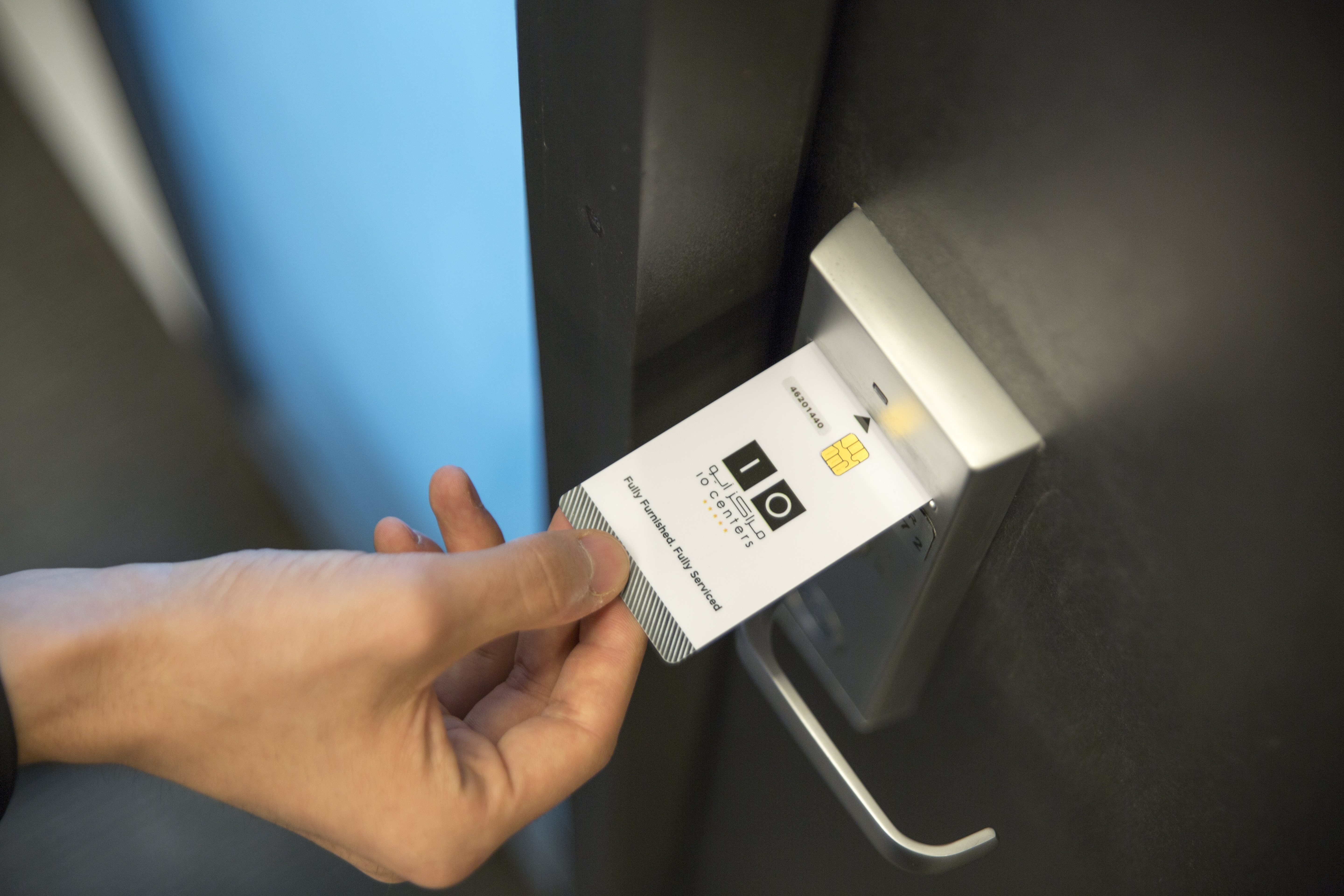
Modern enterprise security no longer works with disconnected physical and digital systems. Organizations now need a centralized, cloud-based Software-as-a-Service (SaaS) platform that manages both from one place.
For years, companies treated physical security and digital security as separate operations. Facility teams managed door locks and access cards, while IT handled networks and user accounts. This separation creates dangerous security gaps.
For example, HR systems may immediately deactivate an employee's network account after they leave. However, facilities teams may not receive that update right away. As a result, the employee's physical access badge may remain active.
A unified security model closes these gaps by connecting every stage of the identity lifecycle. Physical Identity and Access Management (PIAM) works alongside Access Control as a Service (ACaaS) to create one connected security ecosystem instead of isolated systems.
According to a 2026 Microsoft Entra blog by Kaitlin Murphy, 97% of organizations experienced an identity or network access incident within one year. This finding highlights the risks of fragmented security operations. Centralized SaaS security platforms help eliminate these vulnerabilities while improving threat detection.
Building High-Throughput, Secure Entry Points
Enterprise entry points are more than physical checkpoints. They also collect identity data that communicates instantly with cloud-based security platforms. Modern perimeter security depends on layered screening areas where every visitor undergoes verification before receiving digital or physical access.
Security teams strengthen these entry points by connecting hardware directly to centralized monitoring systems. High-traffic environments especially benefit from this approach. Large corporate campuses and transportation hubs must process thousands of people without slowing operations.
For example, the Southwest Wyoming Regional Airport, which serves about 50,000 passengers each year, uses centralized security platforms that support future growth and changing regulatory requirements. The installation was part of a $43 million commercial terminal modernization project. The project supports future growth, meets evolving Transportation Security Administration requirements, and accommodates potential new flight routes.
Modern entry screening also generates valuable operational data. Organizations can integrate security systems, including walk-through metal detectors, with the identity platform to support both security and facility management. The system can then:
- Detect unusual access activity.
- Monitor occupancy levels.
- Balance pedestrian traffic across available entrances.
- Reduce congestion during peak periods.
Combined with a centralized identity platform, modern screening systems provide greater visibility at busy entry points. GXC Inc. highlights that advanced multi-zone walk-through detectors can precisely locate potential threats while maintaining high throughput, helping organizations strengthen security without slowing pedestrian flow.
Cloud dashboards combine information from screening lanes, smart lock APIs, and proximity readers into one interface. The platform immediately compares physical security events with mobile user credentials. If an entry lane detects an operational issue or weapon detection anomaly, the cloud platform instantly identifies the potential threat. Automated turnstiles remain locked until identity verification is complete. This process prevents anyone from bypassing security checkpoints without proper authorization.
How Unified Access Control Works
Converged access control depends on automated identity synchronization and continuous monitoring across infrastructure, applications, and user data. The platform follows a hire-to-retire identity workflow. Whenever HR systems onboard, update, or offboard an employee, the platform automatically provisions or removes both digital credentials and physical access rights at the same time. Instead of reviewing alerts separately, centralized SaaS platforms correlate physical presence with digital activity.
For example, the platform can determine whether someone attempting a remote database login has physically entered the corporate building. If the activity does not match, security teams can quickly identify credential theft or lateral movement. Modern platforms also move beyond static permissions.
Role-based access control (RBAC) continuously adjusts user privileges based on factors such as:
- Current physical location
- Shared workstation policies
- Time of day
- Real-time risk assessments
This dynamic approach provides stronger protection than traditional fixed-access models.
Technologies Powering Converged Security
Cloud-native security software, open application programming interfaces (APIs), and edge computing form the foundation of modern converged security. Physical Security as a Service (PSaaS) replaces traditional on-premises infrastructure with centralized cloud environments.
Organizations receive automatic software updates, backups, and threat intelligence across every location without maintaining local servers. Open-standard APIs also allow independent security applications to exchange information seamlessly. These include:
- Video management software (VSaaS)
- Visitor management platforms
- Parking management systems
- Space reservation tools
Together, these systems can securely share data through a connected ecosystem. Industry data from Robotics and Automation News projects that the global market for IoT components in industrial automation could reach $286.3 billion by 2029. This growth increases the need to secure edge devices throughout enterprise infrastructure.
Modern converged security follows a structured workflow.
Step 1: Intelligence Ingestion (Cloud and AI Layer)
Advanced analytics, machine learning models, and open APIs collect data from across the security ecosystem. They convert that information into actionable intelligence.
Step 2: Policy Orchestration (Application Layer)
Centralized management dashboards, PSaaS, and ACaaS platforms transform security intelligence into operational policies and access rules.
Step 3: Protocol Translation (Edge Gateways)
Hybrid edge appliances receive cloud policies and translate them into hardware-compatible instructions. They also handle localized processing near the physical infrastructure.
Step 4: Physical Execution (Hardware Layer)
The translated commands activate biometric readers, turnstiles, and walk-through detectors to enforce security decisions in real time.
Plug-and-play edge controllers help organizations connect legacy cameras and badge readers to modern cloud platforms. These devices provide local processing, optimize bandwidth, and add data redundancy without replacing existing hardware.
Mobile-first credentials further strengthen unified security. They combine physical badges with biometrics and multi-factor authentication (MFA) using short-range technologies such as Bluetooth, Wi-Fi, and near-field communication (NFC).
How Industries Can Apply Unified Security
Unified security platforms solve operational challenges across manufacturing, corporate offices, healthcare, and other regulated industries. In manufacturing and retail logistics, employees often share workstations across multiple shifts. Cloud-based identity workflows eliminate repeated logins and reduce the need for insecure workarounds that employees sometimes create to save time.
Healthcare organizations also benefit from unified identity management. Automated data orchestration reduces administrative errors while strengthening compliance. According to the Campus Safety Magazine 2026 insights report, healthcare organizations using automated compliance tools report:
- Up to 30% fewer misidentification incidents
- 50% faster audits
These improvements give healthcare teams more time to focus on patient care instead of administrative tasks. Unified platforms also simplify visitor management. Self-service reception kiosks and tenant experience applications automatically issue pre-registered, time-limited mobile credentials for contractors and visitors. Every movement remains fully auditable, improving oversight across the facility.
Key Benefits of a Unified Security Platform
Security researcher Mike Garcia explains, "Identity has officially cemented its status as the new perimeter, requiring security teams to deploy a unified, policy-driven layer that spans human and non-human identity management seamlessly." This shift delivers several strategic advantages.
Eliminate Security Blind Spots
A unified platform replaces disconnected point solutions with a coordinated security stack. Teams spend less time correlating alerts manually, reduce alert fatigue, and detect multi-layered threats much faster.
Reduce Operational Overhead
Moving from capital-intensive (CapEx) hardware to subscription-based operating expense (OpEx) software reduces infrastructure maintenance. Organizations also simplify software updates, patch management, and vendor relationships.
Maintain Continuous Audit Readiness
Unified platforms continuously log every physical movement and digital interaction in a centralized, tamper-resistant audit trail. This ongoing recordkeeping makes compliance reporting and security audits significantly easier.
Frequently Asked Questions
What is the difference between PIAM and traditional physical access control?
Traditional physical access control relies on isolated, on-premises systems that require administrators to manually manage badges and door schedules. Physical Identity and Access Management (PIAM) connects directly with HR platforms and IT directories to automate the entire identity lifecycle. When an employee joins, changes roles, or leaves, both digital accounts and building access update automatically across the organization.
How does Zero Trust apply to physical security infrastructure?
Zero Trust assumes no user or device should receive automatic trust, regardless of location. Physical security applies this principle by continuously verifying identities through biometrics, mobile credentials, and physical screening checkpoints. Access to sensitive areas changes dynamically based on real-time risk scores, schedules, and asset health.
Can legacy perimeter hardware integrate with cloud-native SaaS platforms?
Yes. Organizations can connect existing security infrastructure using plug-and-play, cloud-managed edge appliances. These devices translate local hardware protocols into secure cloud communications without replacing existing equipment. Companies preserve previous investments while gaining centralized management, remote diagnostics, and automatic software updates.
How does unified access control support regulatory compliance?
Unified access control automatically records every physical entry and digital interaction in a centralized, tamper-resistant database. This automated logging reduces manual errors and administrative delays. Compliance teams can generate real-time reports, complete audits faster, and meet strict regulatory requirements with greater confidence.
Key Data Insights
| Area | Insight |
|---|---|
| Identity Security Risk | 97% of organizations experienced an identity or network access incident within one year (Microsoft Entra, 2026). |
| Airport Modernization | 50,000 annual passengers are supported by a $43 million terminal modernization project with centralized security. |
| IoT Market Growth | The industrial automation IoT market could reach $286.3 billion by 2029, driving demand for secure edge devices. |
| Healthcare Benefits | Automated compliance tools enable 30% fewer misidentification incidents and 50% faster audits. |
| Unified Identity Lifecycle | Hire-to-retire automation synchronizes digital accounts and physical access in real time. |
| Security Advantages | Centralized SaaS platforms improve threat detection, compliance, and operational efficiency. |
Enterprise security can no longer rely on disconnected physical and digital systems. As organizations embrace cloud-first operations, unified identity management provides the visibility, automation, and control needed to reduce security gaps and improve compliance. Integrating PIAM, ACaaS, and cloud-based identity platforms creates a seamless security framework that protects people, facilities, and digital assets together.
Organizations can also strengthen threat detection while simplifying daily operations through real-time identity synchronization and centralized management. As security risks continue to evolve in 2026, adopting a unified, SaaS-based approach will help enterprises build more resilient, efficient, and future-ready security programs.
Add New Comment